Pages

Monday, May 22, 2023

Some Good YouTube Homestead Channels


W
hether just starting out in your homesteading journey or you are seeking information for the next step, there are many excellent YouTube channels dedicated to homesteading, offering a wealth of information and inspiration for those interested in this lifestyle. Here are some popular homesteading channels that you may find helpful:

Jack Spirko/The Survival Podcast: One hour episodes discussing current issues affecting our world and methods the average person can use to prepare for them, The Survival Podcast has a very simple guiding philosophy. Take steps to prepare for the worst and develop a plan to live the life you want, if times get tough, or even if they don't.

Nicole Sauce/Living Free in Tennessee: Living Free in Tennessee is a podcast done by Nicole Sauce about homesteading, self-reliance, building resilience into your life, food, freedom and fun.

Tag and Bee/Life Done Free:  Life Done Free is not a place it's a lifestyle shared by many Homesteads. Our purpose it to challenge every aspect of our life in order to live freer. From Energy produced by wind and solar to water from wells and rain catchment systems. We will strive to help each other produce everything we need. Our shared goal is to continuously push the definition of off grid. Join us as we highlight Homesteads who are breaking the chains of modern day slavery

The Hollar Homestead: A family that packed up their four kids to find their forever homestead, and are now revitalizing an old homestead in North Carolina! They live small, love hard, and have one major goal - to LIVE a life worth living.

Justin Rhodes: Justin and his family run a homestead in North Carolina and document their experiences on their YouTube channel. They cover a range of topics, including raising chickens, gardening, beekeeping, and more.

Roots and Refuge Farm: This channel features the experiences of a family homesteading in Arkansas. They offer advice and inspiration on topics such as raising goats, gardening, preserving food, and more.

Homesteading Family: This channel features the experiences of a family homesteading in Idaho. They cover a range of topics, including raising livestock, gardening, cooking from scratch, and more.

Living Traditions Homestead: This channel documents the experiences of a family homesteading in Missouri. They offer practical advice on topics such as raising cattle, preserving food, and building a self-sufficient homestead.

The Elliott Homestead: This channel features the experiences of a family homesteading in Washington State. They offer advice on topics such as raising dairy cows, gardening, and cooking from scratch.

Jill Winger - Old Fashioned On Purpose: This channel features the experiences of a family homesteading in Wyoming. They cover a range of topics, including raising chickens, preserving food, and using essential oils for natural health and wellness.

An American Homestead - This channel follows the journey of a family living off-grid on a homestead in the Ozark Mountains of Missouri. They cover topics such as gardening, raising livestock, building structures, and living a self-sufficient lifestyle.

These are just a few examples of the many excellent homesteading channels available on YouTube. Depending on your interests and needs, you may find other channels that cater to specific aspects of homesteading, such as permaculture, herbal medicine, or off-grid living. As always, it's important to do your research and cross-reference information from multiple sources to ensure that you are getting reliable and accurate information. Happy homesteading and remember it's the simpler things in life that matter!


Monday, May 15, 2023

Good Books on Homesteading


There are many great books on homesteading that cover a wide range of topics, from gardening and animal husbandry to food preservation and self-sufficiency. Here are a few highly recommended books on homesteading:

1. "The Encyclopedia of Country Living" by Carla Emery: This comprehensive guide covers a wide range of homesteading topics, including gardening, animal husbandry, food preservation, and self-sufficiency. It's often considered a classic in the homesteading community and provides practical advice and techniques for living off the land.

2. "The Backyard Homestead" series by Carleen Madigan: This series includes several volumes, such as "The Backyard Homestead: Produce All the Food You Need on Just a Quarter Acre!" and "The Backyard Homestead Book of Building Projects." These books offer practical guidance on various homesteading skills, from gardening and food preservation to raising livestock and building structures.

3. "Storey's Basic Country Skills" series: This series includes multiple volumes, such as "Storey's Basic Country Skills: A Practical Guide to Self-Reliance" and "Storey's Basic Country Skills: A Practical Guide to Living Off the Land." These books cover a wide range of homesteading skills, from gardening and livestock management to cooking, preserving food, and renewable energy.

4. "The Self-Sufficient Life and How to Live It" by John Seymour: This classic homesteading book covers a wide range of topics, including gardening, animal husbandry, food preservation, and more. It provides practical advice on living a self-sufficient lifestyle and includes illustrations and diagrams to help readers understand the techniques.

5. "The Resilient Farm and Homestead" by Ben Falk: This book focuses on regenerative farming practices and homesteading techniques for building a resilient and sustainable homestead. It covers topics such as water management, soil fertility, permaculture design, and more, and provides practical guidance on creating a sustainable homestead.

6. "Homesteading: A Back to Basics Guide to Growing Your Own Food, Canning, Keeping Chickens, Generating Your Own Energy, Crafting, Herbal Medicine, and More" by Abigail R. Gehring: This comprehensive book covers a wide range of homesteading skills, from gardening and food preservation to keeping livestock, making homemade remedies, and more. It provides step-by-step instructions and practical advice for living a self-sufficient lifestyle.

7. "The Joy of Keeping Chickens" by Jennifer Megyesi: This book provides practical advice on how to raise chickens for eggs and meat, as well as tips on building a coop and caring for your birds.

8. The Foxfire Book series is a collection of books that documents the traditional folk culture of the Southern Appalachians and are an important resource for those interested in traditional crafts, skills, and folk culture. The books are known for their down-to-earth style and emphasis on practical knowledge, as well as their focus on preserving the traditions and wisdom of rural Appalachian communities.

These are just a few examples of the many books available on homesteading. Depending on your interests and needs, you may find other books that cater to specific aspects of homesteading, such as permaculture, herbal medicine, or animal husbandry. It's always a good idea to read reviews and check the credentials of the authors to ensure that you are getting reliable and accurate information. Happy reading, homesteading, and remember that it's the simpler things in life that matter!

Monday, May 8, 2023

How Can I Learn New Homestead Skills?


With homesteading, there is always something new to learn or do and with that comes the question of, "How do I learn these new skills?" Very few people in today's world are brought up in a family or with a mentor who can teach one how to homestead, however there are several ways in which you can learn new homestead skills:

  1. Take classes: Look for local classes or workshops that teach homesteading skills such as gardening, animal husbandry, and food preservation. Many agricultural extension offices and community colleges offer classes on homesteading topics.

  2. Attend conferences: Homesteading conferences and events can be a great way to learn new skills and connect with other homesteaders. Look for events in your area or consider traveling to attend larger events.

  3. Read books and articles: There are many books and articles available on homesteading topics. Look for books and articles written by experienced homesteaders who have successfully implemented the skills you want to learn. Books like the Foxfire Series

  4. Watch videos: There are many instructional videos available online that can teach you homesteading skills. Look for videos on YouTube or other video-sharing platforms.

  5. Join a homesteading group: Joining a homesteading group or organization can be a great way to connect with other homesteaders and learn new skills. Look for local groups or join online communities.

  6. Seek guidance from experienced homesteaders: Reach out to experienced homesteaders in your area or online and ask for their guidance and advice. Many homesteaders are happy to share their knowledge and help others get started.

Remember that homesteading skills take time to learn and master, so be patient and persistent. Focus on one skill at a time and practice consistently to improve your skills over time.

Monday, May 1, 2023

How Do I Choose A Homestead Location?


Choosing a homestead location is a crucial decision that will impact your ability to succeed in your homesteading endeavors. Here are some factors to consider when choosing a homestead location:

  1. Climate: The climate of your chosen location is an important factor to consider. You will want to choose a location that has a climate that is suitable for the type of crops you want to grow and animals you want to raise. You may also want to consider factors such as average rainfall and temperature extremes.

  2. Soil quality: The soil quality of your homestead location is crucial for successful gardening and crop production. You will want to choose a location that has soil that is rich in nutrients and well-draining. You can have your soil tested by a local agricultural extension office to determine its quality.

  3. Water availability: Access to water is crucial for successful homesteading. You will want to choose a location that has a reliable water source, such as a well or a stream. You should also consider the quality of the water and whether it is suitable for drinking and irrigation.

  4. Zoning regulations: Zoning regulations vary by location and can impact your ability to homestead. You should research the zoning regulations in your chosen location to ensure that you can legally engage in homesteading activities.

  5. Access to resources: Consider the availability of resources such as building supplies, feed, and seeds in your chosen location. You will also want to consider the proximity of medical facilities, schools, and other community resources.

  6. Cost: The cost of land and living expenses can vary widely by location. You should consider the cost of purchasing land, building or renovating a home, and the cost of living in the area.

By carefully considering these factors, you can choose a homestead location that is well-suited for your needs and goals.

Monday, April 24, 2023

How Can I Get Started In Homesteading?


Getting started in homesteading can be an exciting and rewarding endeavor, but it requires careful planning, research, and preparation. 

Here are some steps to help you get started:

  1. Determine your goals: Think about why you want to homestead and what you hope to achieve. Do you want to live more sustainably, grow your own food, or become more self-sufficient? Your goals will guide your decisions and actions as you begin your homesteading journey.

  2. Choose a location: Look for a piece of land that meets your needs and budget. Consider factors such as soil quality, climate, access to water, and zoning regulations.

  3. Learn new skills: Homesteading involves a wide range of skills, including gardening, animal husbandry, carpentry, and food preservation. Consider taking classes, reading books and articles, and seeking guidance from experienced homesteaders. There are a number of great YouTube creators that provide a lot of advice and help for aspiring homesteaders

  4. Start small: It's easy to become overwhelmed when starting a homestead, so it's important to start small and focus on a few projects at a time. You can gradually expand your homestead as you gain experience and confidence.

  5. Build a support network: Homesteading can be challenging and isolating, so it's important to build a support network of other homesteaders, farmers, and community members who share your values and goals.

  6. Be prepared for setbacks: Homesteading is a learning process, and setbacks and failures are inevitable. Be patient and persistent, and be prepared to adapt and learn from your mistakes.

Homesteading can be a fulfilling and rewarding lifestyle, but it requires hard work, dedication, and a willingness to learn and adapt. With careful planning and preparation, you can create a sustainable and self-sufficient homestead that meets your needs and goals.

Thursday, April 20, 2023

What Is Homesteading?


Homesteading originally referred to a the process of acquiring and settling on a piece of land or property with the intention of establishing a permanent residence and cultivating the land. The term originated in the 19th century in the United States and referred to the government's practice of offering land to people for little or no cost, provided that they improve the land by building a dwelling, cultivating crops, and living on the land for a specified period of time.

Homesteading today refers to a modern-day movement that emphasizes self-sufficiency and living off the land. This may involve growing one's own food, raising livestock, and reducing reliance on modern technology and conveniences. Some homesteaders also prioritize sustainability and environmental stewardship, using practices such as composting, rainwater harvesting, and renewable energy sources.

Find what you want to do and do it and remember, "It's the simpler things in life that matter!"

Wednesday, March 23, 2016

Homestead Update/To-Do List

Homestead update:

With Springtime here, that means that there is a lot going on around the homestead from planting to dealing with new animals to basic upkeep, etc.

Here's what's happening at our place.


  1. We are currently planning our vegetable garden which will be raised beds.
  2. We are putting in strawberry plants and raspberry canes
  3. Need to build a new chicken tractor VERY SOON as our pullets are getting huge and need some extra room. The plan is to move the rest of our aging flock of Ameraucanas to the new tractor and then use the existing run and hen house for the new chickens.
  4. Need to clean out and repaint rain barrels
  5. Need to put in new grape trellis
  6. Need to clean up around blueberry bushes.
Whew, that's a lot to do... lol

Saturday, March 5, 2016

Great Article in Mother Earth News about Living Off-Grid In Nature

For my off-grid friends (and those looking to get there), I just came across a wonderful article in Mother Earth News.

The beauty and simplicity of life that it describes is worth the read! The text of the articles follows:


When Sue McKay Miller was 48, she quit her job as a geophysicist in Calgary, Alberta, and moved to a yurt on a 130-acre chunk of wilderness on Cape Breton Island, Nova Scotia. She took a radical approach to simplifying, divesting herself of most possessions while she figured out what “back to the basics” really means for her. 

“I knew that if I hooked up to the grid and started with all the mod-cons, I'd be unlikely to give anything up,” Sue explains. “So I decided to go at it the other way around: start out off-grid with only the bare necessities and discover what I really needed or missed and what I could easily do without. So, after over five years of 'camping out' (albeit in a large, luxurious tent!), what have I learned? I love the simple life!”

Despite being battered by gale-force winds, deluged by rain and half-buried in snow, Sue’s yurt has provided what she needs to live simply, without indoor plumbing, for more than five years. She heats with wood and lights up long winter nights with kerosene lamps and candles. When the deep snow arrives, she dons snowshoes and hauls goods up the quarter-mile driveway in an old fish crate. The wood-burning stove provides heat for cooking, washing, drying damp wood and socks, and living. “On frigid winter mornings I haul my rocking chair in front of the open oven, sip on coffee kept warm on the stovetop and write (with pen and paper, no less!) in my journal,” Sue says.

Sue’s life unfolds naturally in step with the seasons. In winter she makes stews and casseroles on the wood stove as it heats her yurt. In summer, she keeps the stove off and eats salads and raw foods. As summer nights cool down, campfires provide a fine alternative to TV and computer screens. “There is one power hog I really miss—a refrigerator!” Sue says. In winter, she places frozen gallon water jugs into a picnic cooler that she keeps in a cool spot inside. Summer's a challenge. “Perishables perish all too quickly—and an iced drink or a chilled beer would be most welcome on a hot day!”

She charges her cell phone, runs her laptop and powers a radio/CD player using a 30-watt solar PV panel and a 12-volt battery/inverter. This modest set-up provides ample power in the summer but barely enough to keep a single battery charged during short, sunless winter days. All too often, Sue runs out of power just as she’s deeply involved in writing on her laptop. She’s considering upgrades, and down the road she hopes to build a small open-plan cabin with indoor plumbing, a gravity-feed water system and underground cold-food storage. But she doesn’t want to overdo it.

“Very often I hear off-grid folks declare that 'we haven't changed our lifestyle one bit!' They buy a humungous [sic] number of solar PV and water-heating panels and maybe a windmill and large banks of batteries to run the vast array of appliances and electronic devices common to modern life,” she says. “Well, that's fine, and maybe a good option for some people, but is simply unaffordable for many of us.”

Besides, Sue loves her small, one-room home. “I like the simplicity of stove, pot and kettle rather than a wide array of specialized appliances, each with a digital clock blinking hurry! hurry! hurry! at me all the time,” she says. “Once I blow out my bedside candle, the only light is from the moon and stars. And my home is so quiet! No fridge whirring on and off, no water pump clunking, no forced air furnace roaring. That frees up my ears to enjoy nature's music—wind and water, birds and coyotes, frogs and toads (country life is seldom quiet). There is no TV or internet here, and that's mostly a good thing—I'm apt to be easily sidetracked and find it easier to focus without these distractions. However, I'm quite happy to be distracted by MNTV (Mother Nature TV), which may feature silvered clouds waltzing around a full moon, a pair of foxes courting on the frozen pond, or a moose family meandering around the pond and sampling nature's buffet. I live amongst great natural wealth and diversity, and I believe being off-grid greatly enhances my appreciation of it all.”

Friday, February 26, 2016

Pasty Butt - Chickens

Pasty butt is a condition in chickens where some of their feces becomes stuck and clogs their cloacas. This is a life threatening issue if not resolved quickly.

I just noticed that one of our new ladies may have pasty butt. I took a Q-tip and warm water and tried to clean it. It looks like the vent is clean, but I cannot get the dried feces off of her . After cleaning her with a Q-Tip, I rubbed some olive oil on it to try to soften the poop.


After some searching on Backyard Chickens and Facebook chicken forums and a quick soak in warm water, she's now OK.

If you encounter this issue with your chickens, make sure that you thoroughly dry them off before returning them to their flock. If not, they will get picked on by the others.


New Additions To Our Flock!

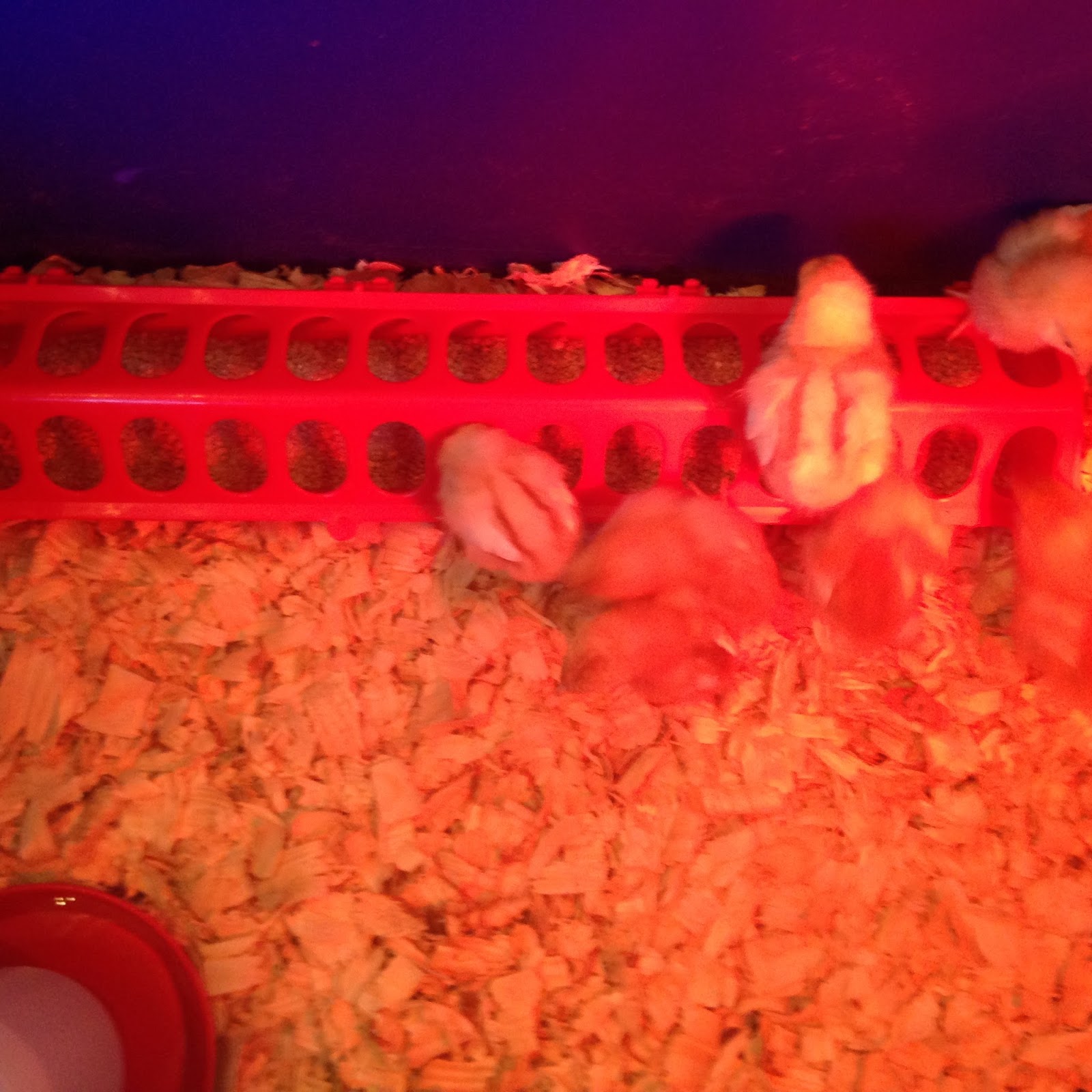
We just purchased 8 new pullets to replace what was left of our aging flock of Ameraucanas. The new additions to our household has also brought a great deal of joy to our family.

Right now they are pretty content.


Monday, January 18, 2016

Prepper's World Summit

I just wanted to make everyone aware of the Prepper's World Summit that is going on right now. Unfortunately, I've missed a few days, but it goes on until the 20th. the following text is from their website...
 
Natural disasters, terrorist attacks, rogue governments, economic collapse, medical emergencies, martial law, home invasions, no matter what the emergency is, natural or man made, long term or short, they can all strike with deadly force, at any time, anywhere, without warning.

What are you doing to prepare? Do you know what to do during and after disaster? ​Will you survive?

 You can register and watch it for free at http://www.prepperworldsummit.com

Friday, January 15, 2016

Very sad news... Dan Haggerty (Grizzly Adams) has passed away.

It's sad for me because I used to watch him as a boy and dream of doing what he did. I used to spend countless hours with my Alaskan Malamute pretending to be Adams and Ben, and going on adventures.

He was largely because of him that I became interested in living a simple, mountain life style in sync with nature. He started my dream of wanting to live in the wilderness.

Rest In Piece, Dan Haggerty and thank you for impacting my life and giving me a love for the outdoors.

abc7.com/…/grizzly-adams-star-dan-haggerty-dies-at…/1160343/


Thursday, December 24, 2015

An Old Fashioned Christmas

Here is a really cool story that helps to tell the true meaning of Christmas. I hope that you enjoy it!

Pa never had much compassion for the lazy or those who squandered their means and then never had enough for the necessities. But for those who were genuinely in need, his heart was as big as all outdoors. It was from him that I learned the greatest joy in life comes from giving, not from receiving.

It was Christmas Eve 1881. I was fifteen years old and feeling like the world had caved in on me because there just hadn't been enough money to buy me the rifle that I'd wanted so bad that year for Christmas.

We did the chores early that night for some reason. I just figured Pa wanted a little extra time so we could read in the Bible. So after supper was over I took my boots off and stretched out in front of the fireplace and waited for Pa to get down the old Bible. I was still feeling sorry for myself and, to be honest, I wasn't in much of a mood to read Scriptures. But Pa didn't get the Bible, instead he bundled up and went outside. I couldn't figure it out because we had already done all the chores. I didn't worry about it long though, I was too busy wallowing in self-pity.

Soon Pa came back in. It was a cold clear night out and there was ice in his beard. "Come on, Matt," he said. "Bundle up good, it's cold out tonight."

I was really upset then. Not only wasn't I getting the rifle for Christmas, now Pa was dragging me out in the cold, and for no earthly reason that I could see. We'd already done all the chores, and I couldn't think of anything else that needed doing, especially not on a night like this. But I knew Pa was not very patient at one dragging one's feet when he'd told them to do something, so I got up and put my boots back on and got my cap, coat, and mittens. Ma gave me a mysterious smile as I opened the door to leave the house. Something was up, but I didn't know what.

Outside, I became even more dismayed. There in front of the house was the work team, already hitched to the big sled. Whatever it was we were going to do wasn't going to be a short, quick, little job. I could tell. We never hitched up the big sled unless we were going to haul a big load. Pa was already up on the seat, reins in hand. I reluctantly climbed up beside him. The cold was already biting at me. I wasn't happy.

When I was on, Pa pulled the sled around the house and stopped in front of the woodshed. He got off and I followed. "I think we'll put on the high sideboards," he said. "Here, help me."

The high sideboards! It had been a bigger job than I wanted to do with just the low sideboards on, but whatever it was we were going to do would be a lot bigger with the high sideboards on.

When we had exchanged the sideboards Pa went into the woodshed and came out with an armload of wood---the wood I'd spent all summer hauling down from the mountain, and then all fall sawing into blocks and splitting. What was he doing? Finally I said something. "Pa," I asked, "what are you doing?" "

You been by the Widow Jensen's lately?" he asked.

The Widow Jensen lived about two miles down the road. Her husband had died a year or so before and left her with three children, the oldest being eight. Sure, I'd been by, but so what? "Yeah," I said, "why?"

"I rode by just today," Pa said. "Little Jakey was out digging around in the woodpile trying to find a few chips. They're out of wood, Matt." That was all he said and then he turned and went back into the woodshed for another armload of wood. I followed him.

We loaded the sled so high that I began to wonder if the horses would be able to pull it. Finally, Pa called a halt to our loading, then we went to the smoke house and Pa took down a big ham and a side of bacon. He handed them to me and told me to put them in the sled and wait. When he returned he was carrying a sack of flour over his right shoulder and a smaller sack of something in his left hand. "What's in the little sack?" I asked.

"Shoes. They're out of shoes. Little Jakey just had gunny sacks wrapped around his feet when he was out in the woodpile this morning. I got the children a little candy too. It just wouldn't be Christmas without a little candy."

We rode the two miles to Widow Jensen's pretty much in silence. I tried to think through what Pa was doing. We didn't have much by worldly standards. Of course, we did have a big woodpile, though most of what was left now was still in the form of logs that I would have to saw into blocks and split before we could use it. We also had meat and flour, so we could spare that, but I knew we didn't have any money, so why was Pa buying them shoes and candy? Really, why was he doing any of this? Widow Jensen had closer neighbors than us. It shouldn't have been our concern.

We came in from the blind side of the Jensen house and unloaded the wood as quietly as possible, then we took the meat and flour and shoes to the door. We knocked. The door opened a crack and a timid voice said, "Who is it?"

"Lucas Miles, Ma'am, and my son, Matt. Could we come in for a bit?"

Widow Jensen opened the door and let us in. She had a blanket wrapped around her shoulders. The children were wrapped in another and were sitting in front of the fireplace by a very small fire that hardly gave off any heat at all. Widow Jensen fumbled with a match and finally lit the lamp.

"We brought you a few things, Ma'am," Pa said and set down the sack of flour. I put the meat on the table. Then Pa handed her the sack that had the shoes in it. She opened it hesitantly and took the shoes out one pair at a time. There was a pair for her and one for each of the children---sturdy shoes, the best, shoes that would last. I watched her carefully. She bit her lower lip to keep it from trembling and then tears filled her eyes and started running down her cheeks. She looked up at Pa like she wanted to say something, but it wouldn't come out.

"We brought a load of wood too, Ma'am," Pa said, then he turned to me and said, "Matt, go bring enough in to last for awhile. Let's get that fire up to size and heat this place up."

I wasn't the same person when I went back out to bring in the wood. I had a big lump in my throat and, much as I hate to admit it, there were tears in my eyes too. In my mind I kept seeing those three kids huddled around the fireplace and their mother standing there with tears running down her cheeks and so much gratitude in her heart that she couldn't speak. My heart swelled within me and a joy filled my soul that I'd never known before. I had given at Christmas many times before, but never when it had made so much difference. I could see we were literally saving the lives of these people.

I soon had the fire blazing and everyone's spirits soared. The kids started giggling when Pa handed them each a piece of candy and Widow Jensen looked on with a smile that probably hadn't crossed her face for a long time. She finally turned to us. "God bless you," she said. "I know the Lord himself has sent you. The children and I have been praying that he would send one of his angels to spare us."

In spite of myself, the lump returned to my throat and the tears welled up in my eyes again. I'd never thought of Pa in those exact terms before, but after Widow Jensen mentioned it I could see that it was probably true. I was sure that a better man than Pa had never walked the earth. I started remembering all the times he had gone out of his way for Ma and me, and many others. The list seemed endless as I thought on it.

Pa insisted that everyone try on the shoes before we left. I was amazed when they all fit and I wondered how he had known what sizes to get. Then I guessed that if he was on an errand for the Lord that the Lord would make sure he got the right sizes.

Tears were running down Widow Jensen's face again when we stood up to leave. Pa took each of the kids in his big arms and gave them a hug. They clung to him and didn't want us to go. I could see that they missed their pa, and I was glad that I still had mine.

At the door Pa turned to Widow Jensen and said, "The Mrs. wanted me to invite you and the children over for Christmas dinner tomorrow. The turkey will be more than the three of us can eat, and a man can get cantankerous if he has to eat turkey for too many meals. We'll be by to get you about eleven. It'll be nice to have some little ones around again. Matt, here, hasn't been little for quite a spell." I was the youngest. My two older brothers and two older sisters were all married and had moved away.

Widow Jensen nodded and said, "Thank you, Brother Miles. I don't have to say, "'May the Lord bless you,' I know for certain that He will."

Out on the sled I felt a warmth that came from deep within and I didn't even notice the cold. When we had gone a ways, Pa turned to me and said, "Matt, I want you to know something. Your ma and me have been tucking a little money away here and there all year so we could buy that rifle for you, but we didn't have quite enough. Then yesterday a man who owed me a little money from years back came by to make things square. Your ma and me were real excited, thinking that now we could get you that rifle, and I started into town this morning to do just that. But on the way I saw little Jakey out scratching in the woodpile with his feet wrapped in those gunny sacks and I knew what I had to do. So, Son, I spent the money for shoes and a little candy for those children. I hope you understand."
I understood, and my eyes became wet with tears again. I understood very well, and I was so glad Pa had done it. Just then the rifle seemed very low on my list of priorities. Pa had given me a lot more. He had given me the look on Widow Jensen's face and the radiant smiles of her three children. For the rest of my life, whenever I saw any of the Jensens, or split a block of wood, I remembered, and remembering brought back that same joy I felt riding home beside Pa that night. Pa had given me much more than a rifle that night, he had given me the best Christmas of my life.

Tuesday, December 22, 2015

Book Review - Prepper's Survival Hacks - 50 DIY Projects

I was just provided a copy of Jim Cobb’s latest book, Prepper's Survival Hacks by the publisher in exchange for an impartial review. Like his previous books, I am glad to say that I read this one. Topics in this book range from water and food acquisition to fire, lighting, survival kits and more! Need to know how to make an emergency water filter or how to be prepared at work? Yep, that’s covered and so much more. Focusing on 50 Do-It-Yourself projects, this book will leave you saying, “Why didn’t I think of that?” while at the same time making you thankful that Jim did think of it! 

From start to finish, this cool book is chock full of succinct and very practical, easy to put together hacks from everyday materials that will help to make your life easier if times get tough or even if they don’t. This book deserves a spot on your prepper/survival library shelf!


Sunday, November 1, 2015

Tennessee Naturalist - Invertebrates

This is the forth video in my Naturalist Series and the third video of the classes that I'm taking to become a Certified Tennessee Naturalist. This class was called "The World of Invertebrates:  Pollinators, Predators, Pests and Parasitoids". The class was wonderful a very knowledgeable instructor and staff.

The class covered:

- Characteristics and life cycles of insects
- Identification of insects using keys
- Overview of other arthropods (spiders, isopods, mites, etc.)
- Methods of collecting and observing insects and other arthropods- Ecological roles of arthropods


You can watch this video here.


Links:

Owl's Hill Nature Sanctuary: http://www.owlshill.org/
Tennessee Naturalist Program: http://tnnaturalist.org/

Friday, October 16, 2015

Owl's Hill 5Th Anniversary - Mack Prichard

Today marks the 5th year anniversary of Owl's Hill's Tennessee Naturalist Program. After church, our youngest DD and myself will me heading over there to hear Mack Prichard speak.


For those that live in Tennessee and don't know, Mack is our State Naturalist Emeritus, State Geologist Emeritus and was VERY instrumental in the founding of a lot of our state parks and natural areas.

This should be pretty cool!

Friday, October 2, 2015

Tennessee Naturalist Program - Volunteering (Chinese Privet and Bush Honeysuckle)

I just posted another video in my Tennessee Naturalist series. This one talks about volunteering and how to identify Chinese Privet and Bush Honeysuckle.


Saturday, September 26, 2015

National Public Lands Day - Invasive Plant Clean-up, Part 2

I just got back from National Public Lands Day where I had the privilege to lead and to work along side of some amazing Scouts. It was a great morning and these guys worked very hard to clear Bush Honeysuckle and Chinese Privet from Old Fort Park.

I highly recommend these types of volunteer opportunities for those looking to give back as they are a great way to show good environmental stewardship.

Simpler Times Homestead's photo.

National Public Lands Day - Invasive Plant Clean-up, Part 1

Well, I'm off to fulfill some volunteer hours for my Certified Tennessee Naturalist Program. I'll be leading a group of people in invasive plant removal.

Have a nice morning!

Sunday, September 20, 2015

A Good Story

I understand that corn can't pollinate that far away, but it's a good story none-the less!

There was a farmer who grew excellent quality corn. Every year he won the award for the best grown corn. One year a newspaper reporter interviewed him and learned something interesting about how he grew it. The reporter discovered that the farmer shared his seed corn with his neighbors. “How can you afford to share your best seed corn with your neighbors when they are entering corn in competition with yours each year?” the reporter asked.

“Why sir,” said the farmer, “Didn’t you know? The wind picks up pollen from the ripening corn and swirls it from field to field. If my neighbors grow inferior corn, cross-pollination will steadily degrade the quality of my corn. If I am to grow good corn, I must help my neighbors grow good corn.”
So is with our lives... Those who want to live meaningfully and well must help enrich the lives of others, for the value of a life is measured by the lives it touches. And those who choose to be happy must help others find happiness, for the welfare of each is bound up with the welfare of all...
 
-Call it power of collectivity...
-Call it a principle of success...
-Call it a law of life.
The fact is, none of us truly wins, until we all win!!